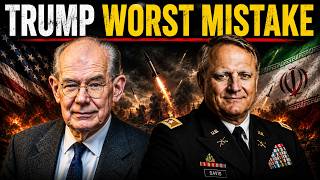
Prof. Mearsheimer: U.S. Losing a War with Iran After Trump Fell Victim to the 'Gambler's Fallacy'
リアクション
2026年08月07日
In this discussion, Prof. John Mearsheimer and Col. Daniel Davis examine the increasingly difficult strategic position facing the United States and question whether Washington has underestimated the costs of a prolonged conflict with Iran.
Chapters
00:00 Introduction
00:05 The Iran negotiations and the June memorandum
01:47 Trump's position and U.S. military readiness
03:05 U.S. missile and interceptor inventories
04:31 The challenge of a prolonged offensive against Iran
05:24 The Patriot missile debate
06:01 U.S. interceptor stocks and global shortages
07:29 Conventional weapons and the nuclear deterrence question
08:11 The danger of escalation
08:54 Could the U.S. negotiate its way out?
09:29 Trump's strategy toward Ukraine and Europe
10:00 Mearsheimer's assessment of the Iran war
10:32 The possibility of two losing wars
11:43 Consequences for Europe and NATO
12:44 The Western air-defense problem
14:00 Ukraine's impact on Western weapons stocks
14:44 THAAD and Patriot depletion
15:15 Implications for China and East Asia
16:14 What happens if the U.S. loses both wars?
17:13 The post-war American strategy
18:27 A possible U.S. pivot to Asia
18:48 Would China see America as a "paper tiger"?
19:40 Final thoughts
Mearsheimer argues that the United States may struggle to sustain the war because of dwindling stocks of critical missiles and interceptors. He points to reported depletion of systems including THAAD, Patriot interceptors, Tomahawks, ATACMS and other precision weapons, arguing that replacing these weapons could take years.
But the discussion goes far beyond missile inventories.
Mearsheimer questions whether President Trump has fallen into a strategic trap by continuing a conflict that may become increasingly difficult to end. He argues that Washington could eventually be forced to seek a negotiated settlement from a weaker position, giving Iran greater leverage at the negotiating table.
Col. Daniel Davis also examines the consequences for Europe, NATO and Ukraine, particularly the potential impact of depleted Western air-defense inventories.
The conversation raises a much bigger question:
If the United States struggles to sustain the war against Iran, what does that mean for America's military credibility—and for its ability to deter Russia and China?
Mearsheimer compares the possible aftermath to the period following the Vietnam War, arguing that Washington could ultimately reduce its military presence in the Middle East and Europe while shifting its strategic focus toward East Asia and China.
⚠️ Important Context
This video presents and analyzes the views and arguments expressed by Prof. John Mearsheimer and Col. Daniel Davis during their discussion. Statements about future military outcomes, weapons inventories, strategic consequences and potential U.S. defeat are their assessments and predictions, not established facts or guarantees of future events.
The purpose of FactualLens is to examine major geopolitical claims, provide context, and encourage viewers to critically evaluate competing arguments and available evidence.
We explore geopolitics, international affairs, history, military strategy, conflicts and the forces shaping our world through research, analysis and long-form storytelling.
Subscribe to FactualLens for more in-depth geopolitical analysis.
If you value independent, research-driven geopolitical analysis and want to help us produce more in-depth videos:
Support FactualLens on Patreon:
https://www.patreon.com/c/factuallens/membership
Your support helps fund research, production, editing and future investigative content.
#FactualLens #JohnMearsheimer #DanielDavis #Iran #Trump #USIran #Geopolitics #MilitaryStrategy #IranWar #USMilitary #NATO #China #Russia #Ukraine #ForeignPolicy #GeopoliticsAnalysis
Chapters
00:00 Introduction
00:05 The Iran negotiations and the June memorandum
01:47 Trump's position and U.S. military readiness
03:05 U.S. missile and interceptor inventories
04:31 The challenge of a prolonged offensive against Iran
05:24 The Patriot missile debate
06:01 U.S. interceptor stocks and global shortages
07:29 Conventional weapons and the nuclear deterrence question
08:11 The danger of escalation
08:54 Could the U.S. negotiate its way out?
09:29 Trump's strategy toward Ukraine and Europe
10:00 Mearsheimer's assessment of the Iran war
10:32 The possibility of two losing wars
11:43 Consequences for Europe and NATO
12:44 The Western air-defense problem
14:00 Ukraine's impact on Western weapons stocks
14:44 THAAD and Patriot depletion
15:15 Implications for China and East Asia
16:14 What happens if the U.S. loses both wars?
17:13 The post-war American strategy
18:27 A possible U.S. pivot to Asia
18:48 Would China see America as a "paper tiger"?
19:40 Final thoughts
Mearsheimer argues that the United States may struggle to sustain the war because of dwindling stocks of critical missiles and interceptors. He points to reported depletion of systems including THAAD, Patriot interceptors, Tomahawks, ATACMS and other precision weapons, arguing that replacing these weapons could take years.
But the discussion goes far beyond missile inventories.
Mearsheimer questions whether President Trump has fallen into a strategic trap by continuing a conflict that may become increasingly difficult to end. He argues that Washington could eventually be forced to seek a negotiated settlement from a weaker position, giving Iran greater leverage at the negotiating table.
Col. Daniel Davis also examines the consequences for Europe, NATO and Ukraine, particularly the potential impact of depleted Western air-defense inventories.
The conversation raises a much bigger question:
If the United States struggles to sustain the war against Iran, what does that mean for America's military credibility—and for its ability to deter Russia and China?
Mearsheimer compares the possible aftermath to the period following the Vietnam War, arguing that Washington could ultimately reduce its military presence in the Middle East and Europe while shifting its strategic focus toward East Asia and China.
⚠️ Important Context
This video presents and analyzes the views and arguments expressed by Prof. John Mearsheimer and Col. Daniel Davis during their discussion. Statements about future military outcomes, weapons inventories, strategic consequences and potential U.S. defeat are their assessments and predictions, not established facts or guarantees of future events.
The purpose of FactualLens is to examine major geopolitical claims, provide context, and encourage viewers to critically evaluate competing arguments and available evidence.
We explore geopolitics, international affairs, history, military strategy, conflicts and the forces shaping our world through research, analysis and long-form storytelling.
Subscribe to FactualLens for more in-depth geopolitical analysis.
If you value independent, research-driven geopolitical analysis and want to help us produce more in-depth videos:
Support FactualLens on Patreon:
https://www.patreon.com/c/factuallens/membership
Your support helps fund research, production, editing and future investigative content.
#FactualLens #JohnMearsheimer #DanielDavis #Iran #Trump #USIran #Geopolitics #MilitaryStrategy #IranWar #USMilitary #NATO #China #Russia #Ukraine #ForeignPolicy #GeopoliticsAnalysis