Recognizing High Sensitivity in Children (HSP) & Helping Them (& Their Parents) Thrive
リアクション
2026年08月16日
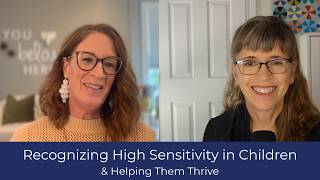
With it being back to school season, this topic feels especially timely. In this episode, I have the pleasure of speaking with family advocate Tracy Spiaggia, founder of Slingshot Health Coaching, about recognizing high sensitivity in children and how to support sensitive children and their parents.
We discuss the core traits of the Highly Sensitive Person (HSP) trait, Tracy’s great “power strip” analogy for sensory overload, and why the tripping of the power strip (the stress response) can look different in different children (fight, flight, freeze, or shutdown). We talk about challenges that may point to high sensitivity — school behavior problems, breakfast refusal, perfectionism, somatic complaints — and the practical framework Tracy uses with families to sort the “immovables” in their lives from what can actually be changed.
We each share our own experience growing up as highly sensitive children, and how we each began our parenting journey largely unaware of this trait. We address the importance of awareness and self-compassion for parents. And, we close with commenting on the value of identifying and addressing pyrrole disorder- a fairly common biochemical imbalance in those with highly sensitive who are struggling with brain and physical symptoms.
Timestamps:
0:00 Introduction to high sensitivity and its importance
2:04 Recognizing high sensitivity in children and adults
3:58 Parental support strategies for sensitive children
5:52 Stress response styles and their impact
7:56 The physiology of high sensitivity and overstimulation
9:59 Creating modifiable environments for thriving
12:06 The evolutionary purpose of high sensitivity
14:04 Practical tips for supporting sensitive children in school and home
15:58 The importance of self-awareness and compassion in parenting
18:04 The role of nutrition and physical activity in sensitivity management
20:02 Supporting adult highly sensitive persons
22:11 The power of community and shared experiences
24:04 Overcoming shame and embracing sensitivity as a strength
25:59 Practical steps for creating supportive environments
28:00 The importance of ongoing learning and adaptation
29:53 Closing thoughts and resources for further support
To learn more:
Guest: Tracy Spiaggia, Slingshot Health Coaching - www.slingshothc.com
Host: Courtney Snyder, MD Holistic Child & Adult Psychiatrist - www.courtneysnydermd.com
Medical Disclaimer:
This newsletter is for educational purposes and not intended or implied to be a substitute for professional medical advice, diagnosis or treatment for either yourself or others, including but not limited to patients that you are treating (if you are a practitioner). Consult your own physician (or your child's physician) for any medical issues that you (or they) may be having.
We discuss the core traits of the Highly Sensitive Person (HSP) trait, Tracy’s great “power strip” analogy for sensory overload, and why the tripping of the power strip (the stress response) can look different in different children (fight, flight, freeze, or shutdown). We talk about challenges that may point to high sensitivity — school behavior problems, breakfast refusal, perfectionism, somatic complaints — and the practical framework Tracy uses with families to sort the “immovables” in their lives from what can actually be changed.
We each share our own experience growing up as highly sensitive children, and how we each began our parenting journey largely unaware of this trait. We address the importance of awareness and self-compassion for parents. And, we close with commenting on the value of identifying and addressing pyrrole disorder- a fairly common biochemical imbalance in those with highly sensitive who are struggling with brain and physical symptoms.
Timestamps:
0:00 Introduction to high sensitivity and its importance
2:04 Recognizing high sensitivity in children and adults
3:58 Parental support strategies for sensitive children
5:52 Stress response styles and their impact
7:56 The physiology of high sensitivity and overstimulation
9:59 Creating modifiable environments for thriving
12:06 The evolutionary purpose of high sensitivity
14:04 Practical tips for supporting sensitive children in school and home
15:58 The importance of self-awareness and compassion in parenting
18:04 The role of nutrition and physical activity in sensitivity management
20:02 Supporting adult highly sensitive persons
22:11 The power of community and shared experiences
24:04 Overcoming shame and embracing sensitivity as a strength
25:59 Practical steps for creating supportive environments
28:00 The importance of ongoing learning and adaptation
29:53 Closing thoughts and resources for further support
To learn more:
Guest: Tracy Spiaggia, Slingshot Health Coaching - www.slingshothc.com
Host: Courtney Snyder, MD Holistic Child & Adult Psychiatrist - www.courtneysnydermd.com
Medical Disclaimer:
This newsletter is for educational purposes and not intended or implied to be a substitute for professional medical advice, diagnosis or treatment for either yourself or others, including but not limited to patients that you are treating (if you are a practitioner). Consult your own physician (or your child's physician) for any medical issues that you (or they) may be having.