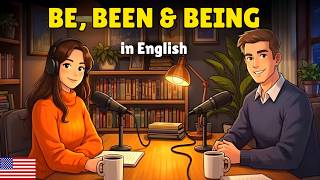
How to Use BE, BEEN, and BEING in English | English Conversation Practice
リアクション
2026年06月17日
Real English Conversations to Boost Your Speaking Confidence!
⭐️ With English For Beginners, you’ll learn English naturally — through real-life dialogues, immersive listening, and everyday expressions used by native speakers. Each episode helps you understand how English actually sounds in real conversations.
Today’s lesson is all about using BE, BEEN, and BEING in English — simple, natural, and super useful for everyday communication.
⭐️ How to Use BE, BEEN, and BEING in English | English Conversation Practice
Hello and welcome! In this video, you’ll learn how to use be, been, and being correctly in daily English sentences, real conversations, and simple grammar practice in clear and easy English. 📘💬✨
You’ll join our friendly characters, Emma and Jack, as they practice sentences with be, been, and being in real situations — talking about feelings, actions, experiences, and everyday life. This lesson is perfect for beginners and low-intermediate learners!
In this episode, you will practice:
✅ Common examples like be happy, be careful, have been, has been, being kind, being late
✅ Simple sentences like “I want to be better,” “I have been busy,” and “She is being very helpful.”
✅ Useful questions such as “How long have you been here?”, “Why are you being quiet?”, and “Do you want to be more confident?”
✅ A slow, clear English conversation you can repeat with Emma and Jack.
This video will help you speak confidently with BE, BEEN, and BEING — three very important forms in English grammar and daily speaking. Don’t forget to shadow the conversation for better pronunciation!
🌟 What You’ll Learn:
👉 How real English sounds in everyday conversations
👉 Phrases and expressions native speakers use with be, been, and being
👉 Natural stress, rhythm, and intonation
👉 The difference between “be,” “been,” and “being”
👉 Practical grammar examples for feelings, actions, experiences, and daily conversations
💡 The English For Beginners Method:
🔹 Podcast-style dialogue learning
🔹 Listen, shadow, and repeat
🔹 Real-life topics from daily life
🔹 Focus on natural expression instead of memorizing grammar
🔹 Practical speaking tips you can use right away
🚀 Perfect For:
✅ Beginners learning English grammar
✅ Intermediate speakers improving fluency
✅ Students preparing for speaking exams
✅ Anyone learning everyday English conversation
✅ Self-learners who love natural English listening
🎁 Bonus From This Episode:
🎯 BE, BEEN, and BEING sentence templates
🎯 Useful grammar examples for natural speaking
🎯 Easy sentence patterns for daily English
🎯 Listening tips to catch natural English rhythm
📌 Don’t Forget to Subscribe!
Subscribe to English For Beginners for podcast-style English lessons, real conversations, pronunciation tips, grammar practice, and useful English speaking episodes every day!
#learnenglish #EnglishForBeginners #englishpodcast #spokenenglish #englishconversation #everydayenglish #englishforbeginners #englishlistening #englishfluency #speakenglishnaturally #englishspeakingpractice #englishgrammar #realenglish #BeBeenBeing #EnglishGrammar
⭐️ With English For Beginners, you’ll learn English naturally — through real-life dialogues, immersive listening, and everyday expressions used by native speakers. Each episode helps you understand how English actually sounds in real conversations.
Today’s lesson is all about using BE, BEEN, and BEING in English — simple, natural, and super useful for everyday communication.
⭐️ How to Use BE, BEEN, and BEING in English | English Conversation Practice
Hello and welcome! In this video, you’ll learn how to use be, been, and being correctly in daily English sentences, real conversations, and simple grammar practice in clear and easy English. 📘💬✨
You’ll join our friendly characters, Emma and Jack, as they practice sentences with be, been, and being in real situations — talking about feelings, actions, experiences, and everyday life. This lesson is perfect for beginners and low-intermediate learners!
In this episode, you will practice:
✅ Common examples like be happy, be careful, have been, has been, being kind, being late
✅ Simple sentences like “I want to be better,” “I have been busy,” and “She is being very helpful.”
✅ Useful questions such as “How long have you been here?”, “Why are you being quiet?”, and “Do you want to be more confident?”
✅ A slow, clear English conversation you can repeat with Emma and Jack.
This video will help you speak confidently with BE, BEEN, and BEING — three very important forms in English grammar and daily speaking. Don’t forget to shadow the conversation for better pronunciation!
🌟 What You’ll Learn:
👉 How real English sounds in everyday conversations
👉 Phrases and expressions native speakers use with be, been, and being
👉 Natural stress, rhythm, and intonation
👉 The difference between “be,” “been,” and “being”
👉 Practical grammar examples for feelings, actions, experiences, and daily conversations
💡 The English For Beginners Method:
🔹 Podcast-style dialogue learning
🔹 Listen, shadow, and repeat
🔹 Real-life topics from daily life
🔹 Focus on natural expression instead of memorizing grammar
🔹 Practical speaking tips you can use right away
🚀 Perfect For:
✅ Beginners learning English grammar
✅ Intermediate speakers improving fluency
✅ Students preparing for speaking exams
✅ Anyone learning everyday English conversation
✅ Self-learners who love natural English listening
🎁 Bonus From This Episode:
🎯 BE, BEEN, and BEING sentence templates
🎯 Useful grammar examples for natural speaking
🎯 Easy sentence patterns for daily English
🎯 Listening tips to catch natural English rhythm
📌 Don’t Forget to Subscribe!
Subscribe to English For Beginners for podcast-style English lessons, real conversations, pronunciation tips, grammar practice, and useful English speaking episodes every day!
#learnenglish #EnglishForBeginners #englishpodcast #spokenenglish #englishconversation #everydayenglish #englishforbeginners #englishlistening #englishfluency #speakenglishnaturally #englishspeakingpractice #englishgrammar #realenglish #BeBeenBeing #EnglishGrammar