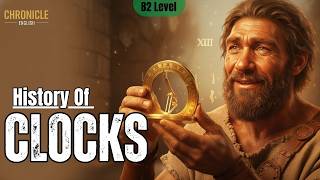
History of Clocks — How Humans Learned to Control Time | Learn English Naturally! ✅
リアクション
2026年04月20日
Who decided what time it was?
Before clocks existed, time controlled us. We woke when the sun rose and slept when darkness came. Then — slowly, brilliantly, imperfectly — human beings fought back.
In this episode of Chronicle English, we discover the extraordinary story of how humans learned to measure time: from shadows on the ground in ancient Egypt, to water clocks in Greek law courts, to the massive mechanical clocks of medieval Europe, to the stubborn carpenter's son who solved a problem that defeated the greatest scientists of his age — and saved thousands of lives at sea.
✅ WHAT YOU WILL LEARN IN THIS VIDEO:
— How the sundial worked — and why it failed on cloudy days and at night
— The clepsydra — the ancient water clock used in Greek courts for equal justice
— How medieval monks accidentally drove the invention of the mechanical clock
— The incredible true story of John Harrison — who solved the longitude problem and saved ships
— Why the wristwatch was born from war — and how soldiers changed fashion forever
— How atomic clocks accurate to one second per 300 million years run the modern world
🎯 PERFECT FOR:
— English learners at B2 level who want to improve naturally and confidently
— Anyone fascinated by how everyday objects have extraordinary histories
— Students preparing for IELTS, TOEFL, or advanced English conversation
📘 KEY VOCABULARY IN THIS VIDEO (B2 Level):
sundial • gnomon • clepsydra • pendulum • longitude • chronometer • oscillate • synchronize • navigation • precision • mechanism • calibrate
⏱ CHAPTERS:
0:00 — Who Decided What Time Was?
2:16 — The Very First Clocks: Shadows and Sunlight
4:01 — Water Clocks and the Ancient World
6:04 — The Mechanical Clock: Europe's Great Invention
8:19 — John Harrison: The Man Who Saved Ships
12:47 — The Pocket Watch and the Wristwatch
14:46 — Atomic Clocks and the Age of Precision
16:46— The Lesson
💬 THIS WEEK'S QUESTION:
If you had to live without clocks for one week — no phone, no watch, no clock on the wall — what do you think would be the hardest part?
Write your answer below 👇 I read every single comment!
━━━━━━━━━━━━━━━━━━━━━━━━━━
🔔 ABOUT CHRONICLE ENGLISH
━━━━━━━━━━━━━━━━━━━━━━━━━━
Chronicle English is the channel where every story from history teaches you real, natural English — the kind people actually use in conversations, writing, and everyday life.
No boring grammar lessons. No vocabulary lists.
Just powerful true stories, told clearly, with language explained naturally inside the story.
New video every week. Subscribe so you never miss one.
👉 Subscribe: [www.youtube.com/@UCMudx8Bb3S1dXq2U_iUzUMw
📚 WATCH THESE NEXT:
▶ History of Salt — https://youtu.be/VI4XjtVPUZs?si=FQFmq3F5BsMunPRH
▶ History of Paper — https://youtu.be/CiB_FGnUY0o?si=WMmUK_aYQbhX0WzZ
▶ Story of Walt Disney — https://youtu.be/yPTSLx6imL4?si=yXdBLrude2uy1LRj
#HistoryOfClocks #LearnEnglish #EnglishListening #ChronicleEnglish #B2English #LearnEnglishWithStories #WhoInventedTheClocks #EnglishForAdults #IELTSListening #NaturalEnglish #JohnHarrison #AtomicClock
Join us for a fascinating journey through the history of time, exploring how humanity has measured time from ancient observations to modern precision. We highlight the incredible efforts in the history of timekeeping, including John Harrison's relentless pursuit of the marine chronometer. This story culminates with the advent of the atomic clock, a pinnacle of time measurement and a testament to physics history.
Before clocks existed, time controlled us. We woke when the sun rose and slept when darkness came. Then — slowly, brilliantly, imperfectly — human beings fought back.
In this episode of Chronicle English, we discover the extraordinary story of how humans learned to measure time: from shadows on the ground in ancient Egypt, to water clocks in Greek law courts, to the massive mechanical clocks of medieval Europe, to the stubborn carpenter's son who solved a problem that defeated the greatest scientists of his age — and saved thousands of lives at sea.
✅ WHAT YOU WILL LEARN IN THIS VIDEO:
— How the sundial worked — and why it failed on cloudy days and at night
— The clepsydra — the ancient water clock used in Greek courts for equal justice
— How medieval monks accidentally drove the invention of the mechanical clock
— The incredible true story of John Harrison — who solved the longitude problem and saved ships
— Why the wristwatch was born from war — and how soldiers changed fashion forever
— How atomic clocks accurate to one second per 300 million years run the modern world
🎯 PERFECT FOR:
— English learners at B2 level who want to improve naturally and confidently
— Anyone fascinated by how everyday objects have extraordinary histories
— Students preparing for IELTS, TOEFL, or advanced English conversation
📘 KEY VOCABULARY IN THIS VIDEO (B2 Level):
sundial • gnomon • clepsydra • pendulum • longitude • chronometer • oscillate • synchronize • navigation • precision • mechanism • calibrate
⏱ CHAPTERS:
0:00 — Who Decided What Time Was?
2:16 — The Very First Clocks: Shadows and Sunlight
4:01 — Water Clocks and the Ancient World
6:04 — The Mechanical Clock: Europe's Great Invention
8:19 — John Harrison: The Man Who Saved Ships
12:47 — The Pocket Watch and the Wristwatch
14:46 — Atomic Clocks and the Age of Precision
16:46— The Lesson
💬 THIS WEEK'S QUESTION:
If you had to live without clocks for one week — no phone, no watch, no clock on the wall — what do you think would be the hardest part?
Write your answer below 👇 I read every single comment!
━━━━━━━━━━━━━━━━━━━━━━━━━━
🔔 ABOUT CHRONICLE ENGLISH
━━━━━━━━━━━━━━━━━━━━━━━━━━
Chronicle English is the channel where every story from history teaches you real, natural English — the kind people actually use in conversations, writing, and everyday life.
No boring grammar lessons. No vocabulary lists.
Just powerful true stories, told clearly, with language explained naturally inside the story.
New video every week. Subscribe so you never miss one.
👉 Subscribe: [www.youtube.com/@UCMudx8Bb3S1dXq2U_iUzUMw
📚 WATCH THESE NEXT:
▶ History of Salt — https://youtu.be/VI4XjtVPUZs?si=FQFmq3F5BsMunPRH
▶ History of Paper — https://youtu.be/CiB_FGnUY0o?si=WMmUK_aYQbhX0WzZ
▶ Story of Walt Disney — https://youtu.be/yPTSLx6imL4?si=yXdBLrude2uy1LRj
#HistoryOfClocks #LearnEnglish #EnglishListening #ChronicleEnglish #B2English #LearnEnglishWithStories #WhoInventedTheClocks #EnglishForAdults #IELTSListening #NaturalEnglish #JohnHarrison #AtomicClock
Join us for a fascinating journey through the history of time, exploring how humanity has measured time from ancient observations to modern precision. We highlight the incredible efforts in the history of timekeeping, including John Harrison's relentless pursuit of the marine chronometer. This story culminates with the advent of the atomic clock, a pinnacle of time measurement and a testament to physics history.